How Digitalchemy uses App Open and hybrid monetization to grow revenue with Liftoff Monetize
App category: Utilities and Lifestyle | Solution: Liftoff Monetize | Formats: App Open, Banner, Native | Mediation: AdMob Hybrid | Bidding + Flat CPM
- 21% growth in Digitalchemy’s total Liftoff revenue over six months
- 41% growth in Liftoff flat CPM revenue
- 37% growth in Liftoff iOS revenue
- 24% growth in App Open ARPDAU across Digitalchemy’s main iOS apps
“App Open is an important part of our monetization mix, but for a long time its demand was concentrated in very few sources. Adding Liftoff brought real competition to every App Open impression and unlocked yield we simply weren’t capturing before. On iOS, the effect is even stronger: Liftoff fills the impressions others leave on the table, and its revenue there grew 37% over the last six months compared with the previous six.“
Nastassia Hubarevich, Monetization Lead, Digitalchemy
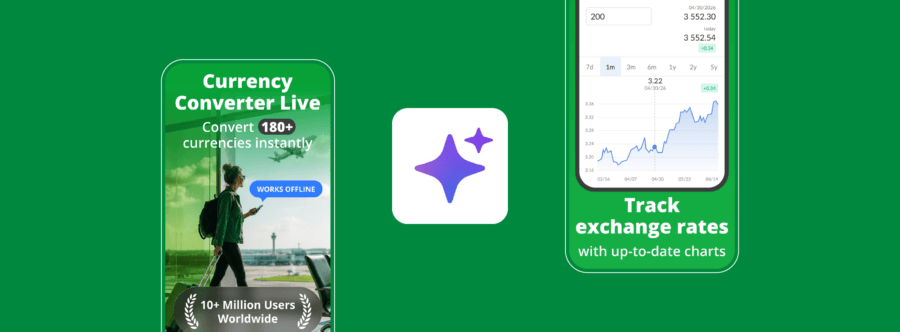
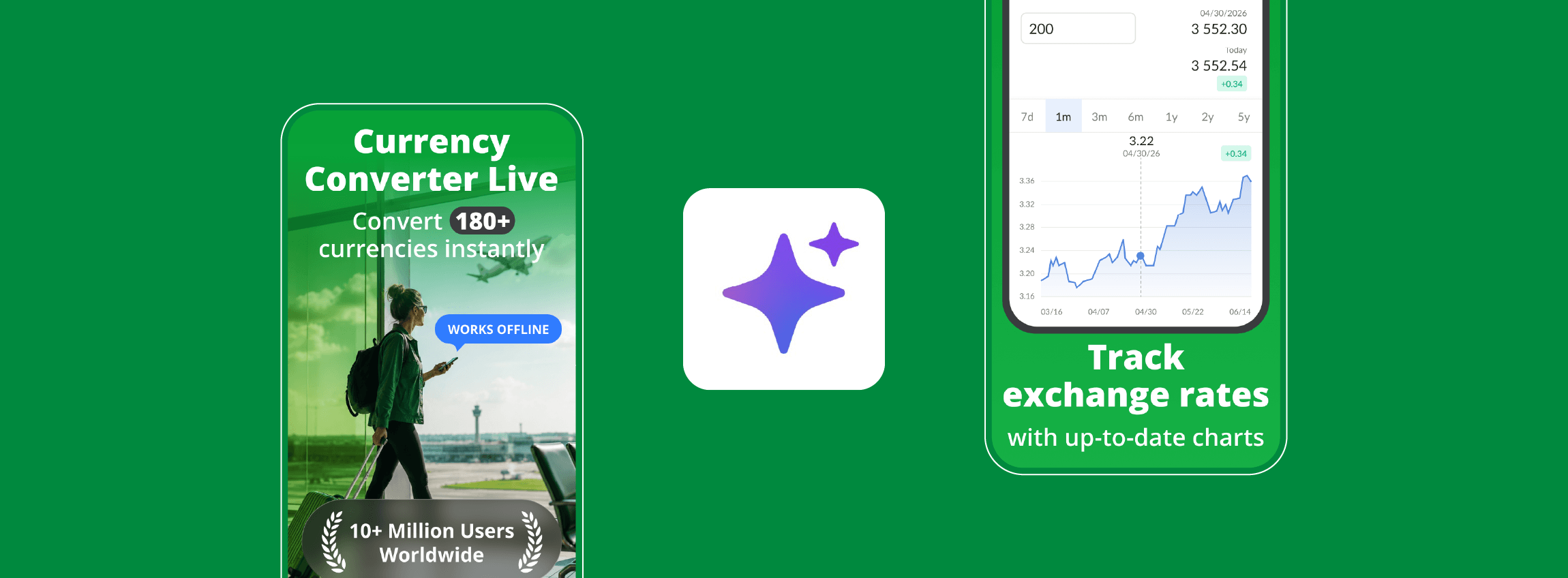
Digitalchemy builds everyday utility and lifestyle apps that help people complete small, frequent tasks; from checking an exchange rate or solving a calculation to scanning a document, or setting a timer.
Headquartered in Redmond, Washington, the company has built a portfolio of approximately 50 apps across iOS and Android. Its products have generated more than 200 million downloads and reach nearly 20 million monthly active users worldwide.
The challenge: monetizing utility apps without getting in the way
Most Digitalchemy users expect the core features of its apps to remain free. Advertising makes that possible, while subscriptions give users the option of an ad-free experience.
Utility apps are opened often, but each visit is usually brief and purpose-driven. People open them to check an exchange rate, complete a calculation, or scan a document, then leave when the task is complete. This creates a specific monetization challenge. An ad shown at the wrong moment can interrupt the task and create friction disproportionate to the length of the session.
Digitalchemy needed formats that aligned with these short, frequent interactions, as well as enough competition within its demand stack to maximize the value of each available impression.
App Open emerged as a natural fit. It places one predictable ad at the beginning of a session, before the user starts their task, rather than interrupting them midway through it. But for a long time, demand for Digitalchemy’s App Open inventory was concentrated among a small number of sources, limiting competition and yield.
The strategy: combine bidding with a flat CPM ladder
As Digitalchemy’s portfolio grew, its monetization approach evolved from a straightforward waterfall into a hybrid setup combining bidding with flat CPM placements.
Today, the company works with approximately 10 demand partners and treats monetization as a product discipline. New partners, floor changes, and configuration updates are tested through AdMob mediation A/B tests before being rolled out more broadly. Performance is evaluated not only through revenue, but also through its effect on retention and revenue per user.
Liftoff has become one of Digitalchemy’s top monetization partners, with particularly strong performance in App Open. Its unique demand added competition to an area of the stack where Digitalchemy had previously relied on relatively few sources.
The hybrid structure helps Digitalchemy capture that demand more effectively. High flat CPM tiers are positioned to catch premium demand that may be undervalued in bidding, while lower tiers help protect fill. The team places these tiers around the areas where Liftoff’s eCPM distribution is most concentrated, then uses A/B tests to revisit floors and sequencing over time.
Rather than treating bidding and the waterfall as competing approaches, Digitalchemy uses them together to capture different portions of the demand curve.
The breakthrough: App Open creates value without interrupting the task
App Open works particularly well for Digitalchemy because it reflects the natural rhythm of a utility app. A user opens an app to check a rate or perform a calculation. The ad appears at a predictable pause before that interaction begins.
This makes it possible to monetize frequent sessions without simply inserting more interruptions into the user journey.
That balance is also important across a portfolio that includes utility, lifestyle, and health-related products. Ad quality, brand safety and the context in which an ad appears all contribute to user trust and need to be considered alongside revenue performance.
Once the hybrid App Open setup demonstrated its value, Digitalchemy expanded the same approach into other formats. The company extended hybrid monetization to banner placements and introduced it for native inventory, creating additional opportunities for Liftoff demand across the portfolio.
The impact: stronger performance across App Open and iOS
From May through October 2026, compared with the preceding six-month period, Digitalchemy’s total revenue from Liftoff grew 21%. Over the same period, App Open ARPDAU across Digitalchemy’s main iOS apps increased 24%, suggesting that Liftoff’s growth was part of a broader improvement in App Open monetization rather than simply a redistribution of revenue among demand partners.
The hybrid setup was a major part of that momentum. Liftoff flat CPM revenue increased 41% during the period, demonstrating the value of operating a structured CPM ladder alongside bidding rather than relying on bidding alone.
Performance was especially strong on iOS. Liftoff iOS revenue grew 37%, led by key apps.
The results reinforced Digitalchemy’s approach: use App Open to match the natural behavior of utility app users, introduce competition through differentiated demand, and use hybrid mediation to capture value across a wider range of impressions.
A partnership built around continuous optimization
For Digitalchemy, Liftoff contributes more than demand. The teams regularly review the portfolio’s setup together, identify apps or placements running bidding-only or waterfall-only, and evaluate where additional flat CPM tiers could unlock value.
Liftoff also keeps Digitalchemy informed about market trends, product developments, and changes within its own performance data. Recent SDK improvements have supported the partnership as well. In one Digitalchemy Android app, updating to version 7.7.x of the Liftoff SDK reduced the app’s package size by approximately 260 KB.
That combination of performance, technical efficiency, and hands-on support has helped Liftoff grow from another source in the mediation stack into a core monetization partner.
What’s next
Digitalchemy plans to continue refining the floors and sequencing within its hybrid ladder while exploring additional formats.
The team’s next tests will include In-Line Ads in placements currently served by standard banners, beginning with adaptive banner inventory. It will also continue evaluating where hybrid configurations can create incremental value across its portfolio.
Digitalchemy’s experience offers a clear lesson for other utility app publishers: the strongest monetization strategy does not force a choice between bidding and the waterfall. By combining the two, and matching formats to the natural rhythm of the product, publishers can increase competition, improve yield, and grow revenue without relying on additional interruption.
*All performance metrics are based on Digitalchemy’s AdMob reporting for May–October 2026 compared with November 2025–April 2026. App Open ARPDAU reflects Digitalchemy’s main iOS apps. Results reflect the specific experience of Digitalchemy and are not a guarantee of future performance or similar outcomes for other publishers.